This document presents the development of specialized integrated circuits for coordinate X-ray detectors designed for dynamic experiments at the SKIF synchrotron radiation facility.
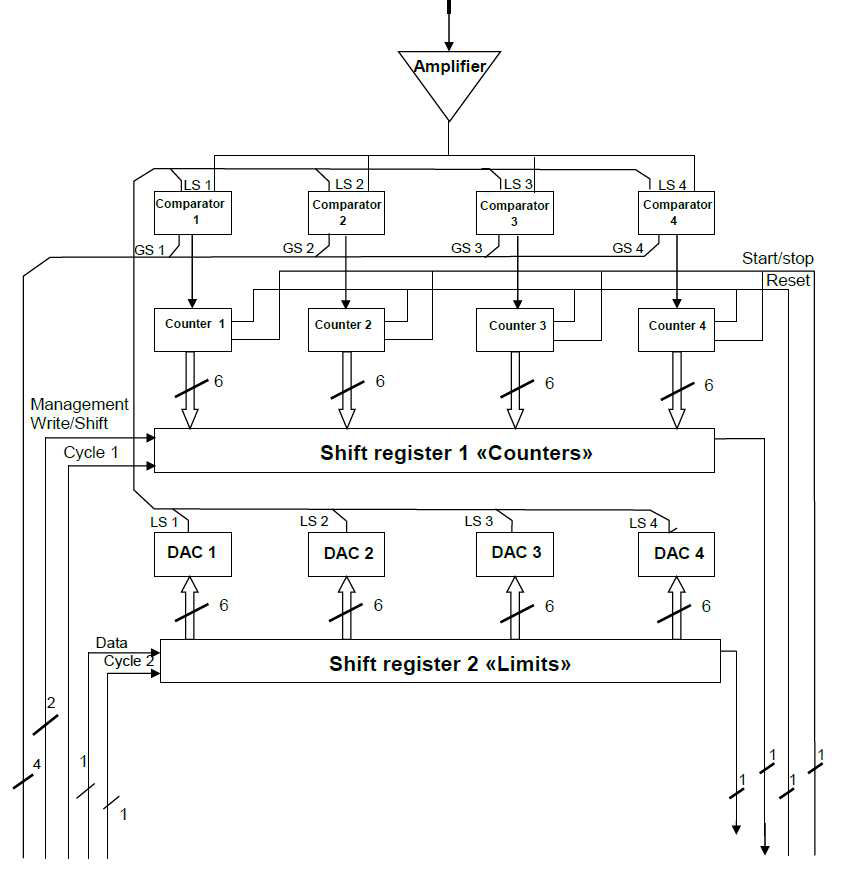
Fig.1. Schematic structure of the SciCODE64 ASIC registration channel.
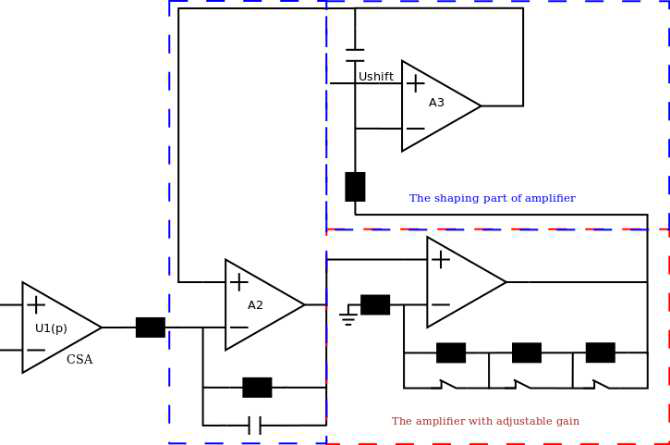
Fig.2. The shaping part of the registration channel.
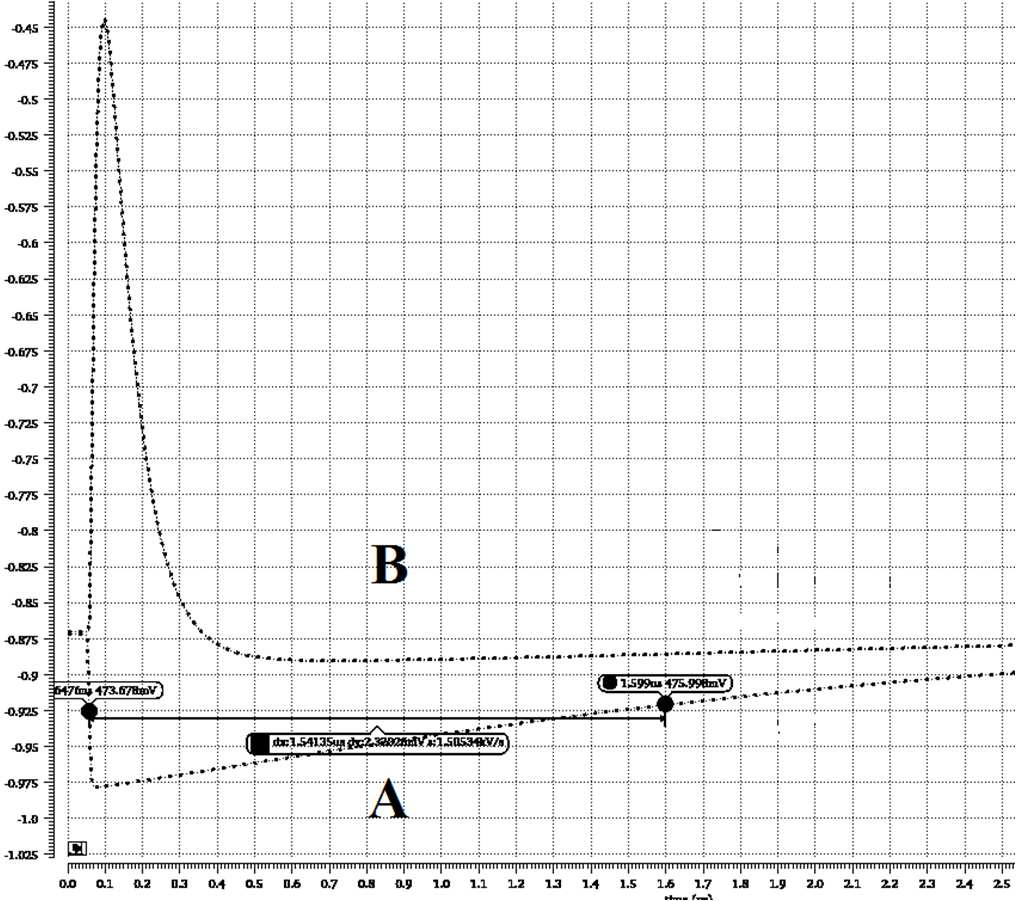
Fig.3. Waveforms at the outputs of the CSA (A) and the shaping amplifier (B).
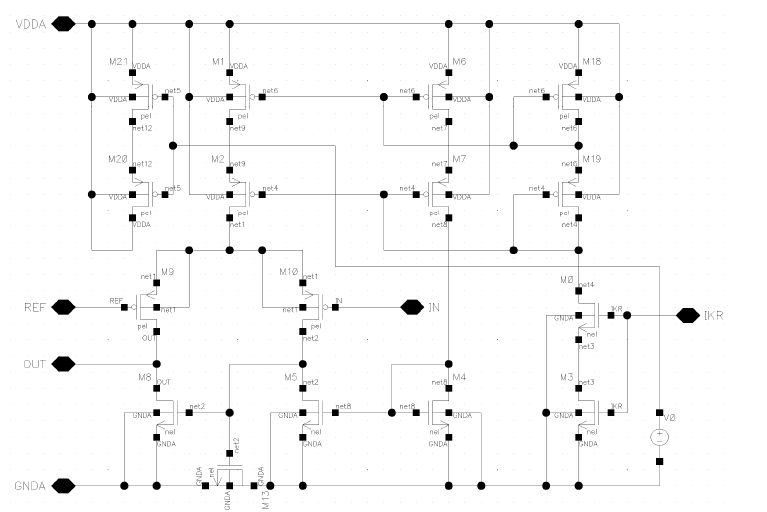
Fig.4. The active discharge circuit.
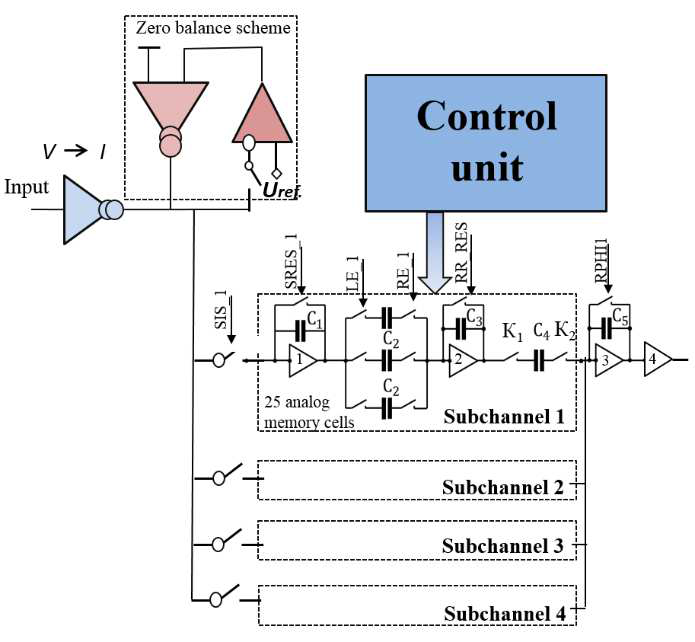
Fig.5. Schematic structure of the DMXS64 ASIC registration channel.
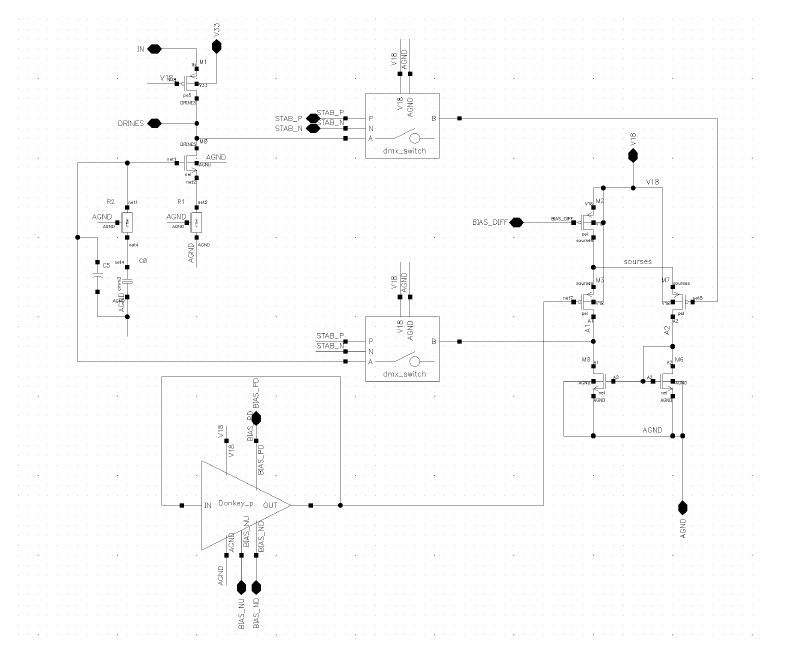
Fig.6. The stabilization circuit.
Introduction to X-ray Detectors
-
The Budker Institute of Nuclear Physics has developed one-coordinate X-ray detectors, including photon counting (SciCODE) and integrating (DIMEX-Si) types, utilizing semiconductor microstrip sensors.
These detectors are essential for studying fast processes, such as material transformations and chemical reactions, by capturing high-resolution data from synchrotron radiation (SR) flashes.
The detectors aim for spatial resolution better than 100 μm and high output data rates, necessitating specialized integrated circuits (ASICs) for effective signal detection and recording.
SciCODE64 ASIC for Counting Detectors
-
The SciCODE64 ASIC features 64 independent registration channels on a 3x5 mm² chip, developed from an earlier eight-channel prototype.
Each channel includes a charge-sensitive preamplifier and a shaping amplifier, designed to optimize signal processing while minimizing noise, achieving an equivalent noise charge (ENC) of 250 e⁻ for signals around 1 keV.
The ASIC can handle photon energies from 3 to 40 keV at rates up to 1 MHz, with outputs connected to four 8-bit counters that record pulse counts during specified intervals.
Comparator thresholds are adjustable via external voltages and internal DACs, allowing for precise signal detection.
DMXS64A ASIC for Integrating Detectors
-
The DMXS64A ASIC, developed for the DIMEX-Si integrating detector, incorporates 64 channels on a 5x5 mm² chip, based on a six-channel prototype.
Each channel consists of a voltage-to-current converter, integrators, and analog memory cells, enabling the accumulation of charge proportional to the number of photons absorbed during the frame time.
A stabilization circuit compensates for dark current, ensuring minimal variation in signal pedestals during measurements.
The ASIC can store up to 100 analog signals sequentially, facilitating the recording of photon flux over consecutive frames, controlled by an external FPGA for flexibility in recording parameters.
Performance and Future Developments
-
The SciCODE64 ASIC operates at a supply voltage of +1.8 V with a current consumption of 150 mA, while the DMXS64A ASIC operates at +1.8 V and +3.3 V with respective currents of 104 mA and 25 mA.
Both ASICs have been transferred to production, with plans to assemble 1024-channel counting and integrating detectors based on these designs.
The development of these ASICs was supported by grants from the Russian Science Foundation and the Russian government, highlighting the collaborative effort in advancing X-ray detection technology.
Conclusion
-
The development of the SciCODE64 and DMXS64A ASICs represents a significant advancement in the capabilities of coordinate X-ray detectors, enhancing their application in experimental physics at synchrotron facilities.
These innovations promise improved spatial resolution and data acquisition rates, crucial for studying ultrafast processes and material behaviors under synchrotron radiation.
Figures
Fig.1. Schematic structure of the SciCODE64 ASIC registration channel.
Fig.2. The shaping part of the registration channel.
Fig.3. Waveforms at the outputs of the CSA (A) and the shaping amplifier (B).
Fig.4. The active discharge circuit.
Fig.5. Schematic structure of the DMXS64 ASIC registration channel.
Fig.6. The stabilization circuit.